Blood Sugar Management: Understanding Glucose Monitoring and Control
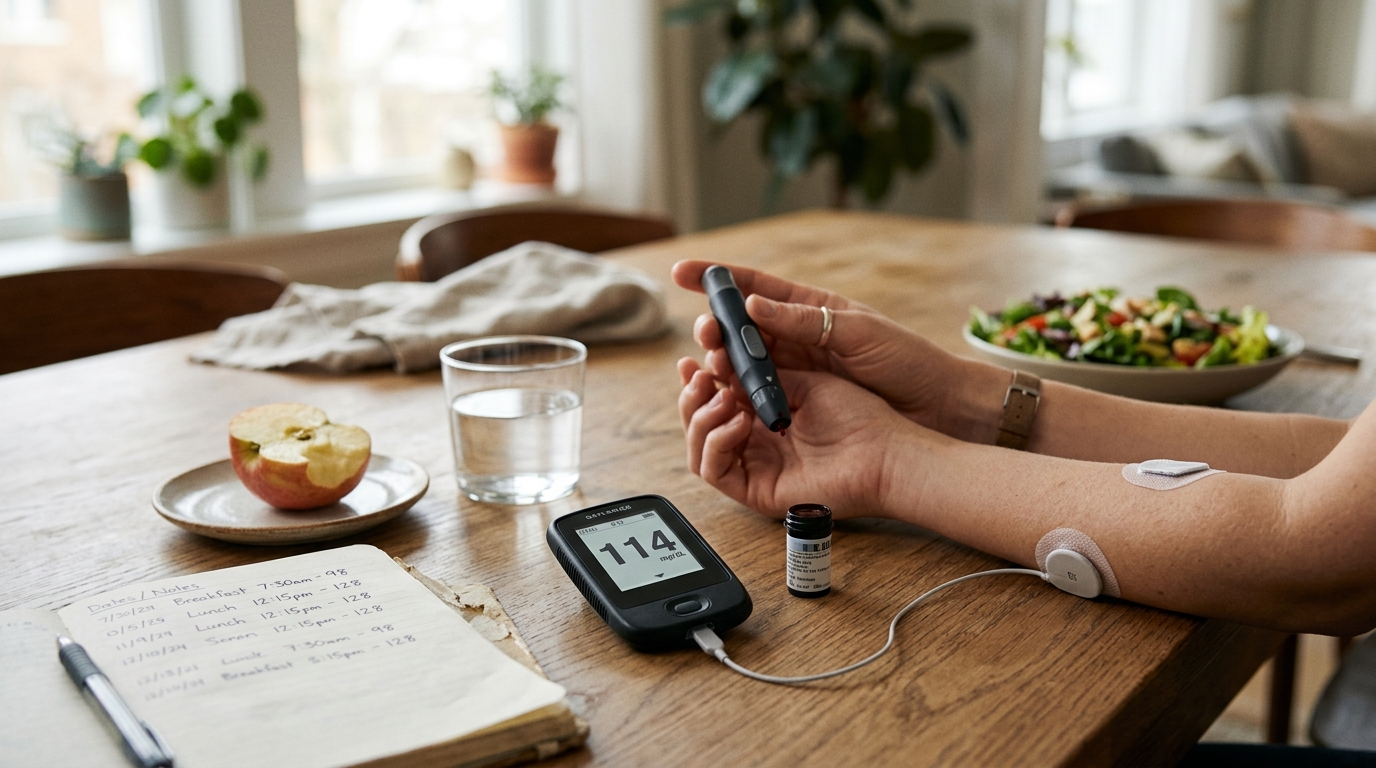
Blood sugar management is central to diabetes prevention and treatment. Understanding how glucose levels change and how to monitor them empowers better control.
Glucose Basics
Glucose is your body's primary fuel. After eating carbohydrates, they are broken down into glucose absorbed into the bloodstream. Your pancreas releases insulin, which allows cells to uptake glucose for energy or storage.
When this system functions properly, blood glucose remains stable within a narrow range (70-100 mg/dL fasting). When dysfunction occurs, glucose levels become elevated, leading to diabetes.
Monitoring Methods
Finger-stick testing measures blood glucose at a specific moment. This provides accurate snapshots of glucose levels throughout the day. Testing before meals, 2 hours after meals, and at bedtime reveals how specific foods affect your glucose.
Continuous glucose monitors (CGMs) track glucose every 5 minutes throughout the day. CGMs reveal patterns invisible to finger-stick testing—how different foods affect your glucose, how stress impacts levels, and how exercise improves control.
Target Ranges
For non-diabetics, fasting glucose is 70-100 mg/dL and post-meal glucose remains below 140 mg/dL. For people with diabetes, targets are individualized based on age, comorbidities, and risk of hypoglycemia.
Generally, fasting targets are 80-130 mg/dL and post-meal targets are below 180 mg/dL. Hemoglobin A1c—which measures average glucose over 2-3 months—targets are 6.5-7% for most people.
Dietary Strategies
Carbohydrate quantity and quality most directly affect glucose levels. Focusing on whole grains, legumes, vegetables, and fruits provides slow glucose absorption. Refined carbohydrates and sugars cause rapid spikes.
Combining carbohydrates with protein and fat slows glucose absorption. Fiber increases satiety and slows digestion. Portion control determines overall glucose load.
Monitoring Patterns
Track not only glucose numbers but patterns. Notice which foods consistently elevate glucose. Identify times of day when glucose is hardest to control. This personalized information guides dietary and medication adjustments.
Professional Support
A diabetes educator or dietitian helps interpret monitoring data and adjust strategies. Regular appointments ensure your treatment plan evolves as your condition changes.