Diabetic Complications: Neuropathy, Nephropathy, and Retinopathy Prevention
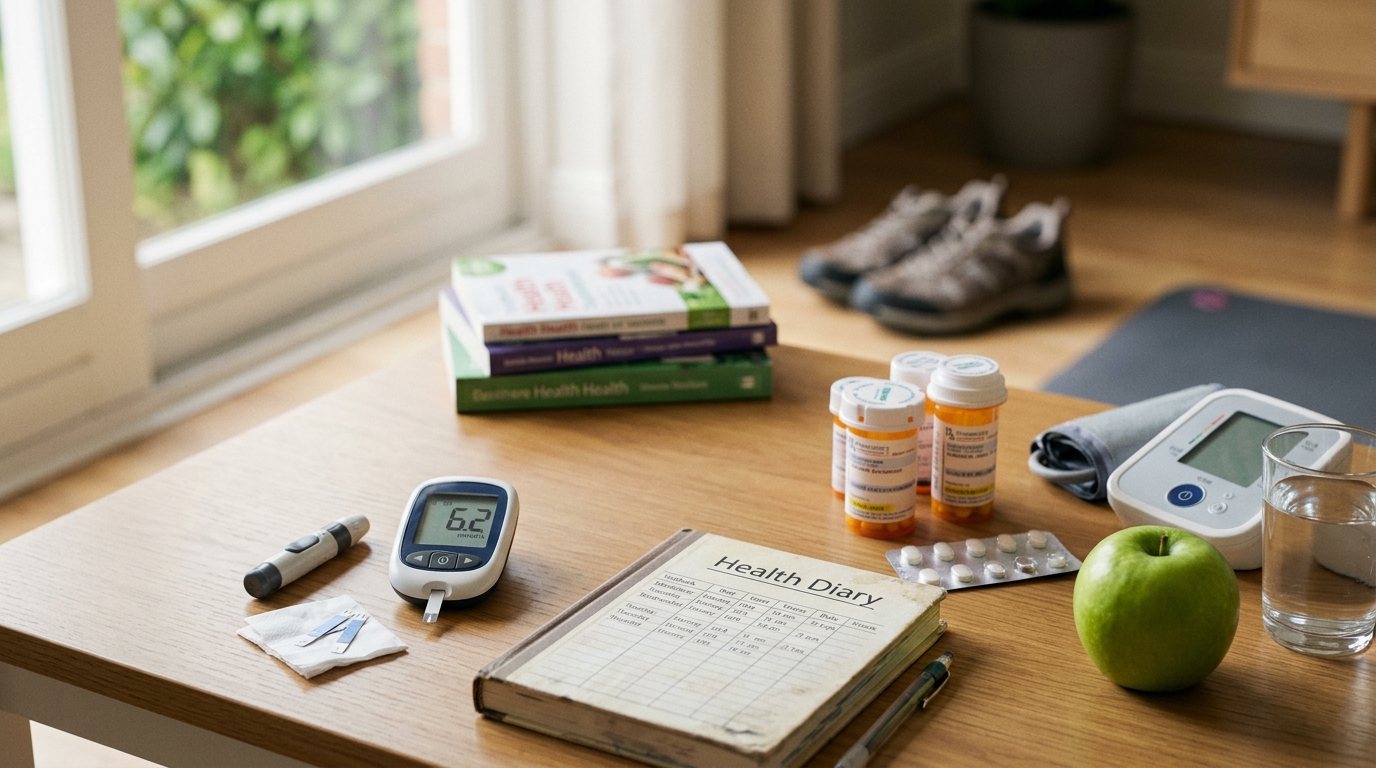
Chronic high glucose levels damage blood vessels and nerves throughout the body. Understanding these complications motivates intensive glucose control.
Diabetic Neuropathy
Persistently elevated glucose damages peripheral nerves, causing numbness, tingling, and pain—typically in the feet first. The damage is often irreversible if established.
Early signs are subtle: loss of feeling, tingling sensations, or pain. Progression can lead to foot ulcers, infections, and amputation if protective sensation is lost. Intensive glucose control in early diabetes significantly reduces neuropathy development.
Diabetic Nephropathy
High glucose damages kidney filtration structures. Early signs include microalbuminuria (small amounts of protein in urine). Progressive damage leads to chronic kidney disease and eventual kidney failure.
Blood pressure control is crucial alongside glucose control. ACE inhibitors and angiotensin receptor blockers offer additional kidney protection beyond blood pressure reduction. Limiting dietary protein reduces kidney workload.
Diabetic Retinopathy
Vascular damage in the retina causes vision loss. Early stages produce no symptoms but are visible on eye examination. Progression can lead to macular edema or neovascularization, causing significant vision loss.
Regular dilated eye exams detect retinopathy before vision loss occurs. Laser treatment or anti-VEGF injections prevent progression if detected early. Optimal glucose and blood pressure control are crucial prevention strategies.
Common Mechanism
These complications share common mechanisms: high glucose promotes glycation (proteins permanently altered by glucose), oxidative stress, and endothelial dysfunction. Addressing these underlying processes prevents multiple complications simultaneously.
Prevention Priority
Intensive glucose control in the first 10 years after diabetes diagnosis provides lasting protection against complications. Achieving near-normal glucose levels dramatically reduces long-term complication rates.
Blood pressure control is equally important. Many people with diabetes have hypertension; treating both conditions aggressively prevents nephropathy and retinopathy.
Screening and Early Detection
Regular checks—annual urine microalbumin testing, comprehensive eye exams—detect complications early when treatment is most effective. Early intervention prevents progression and preserves function.