Plant-Based Protein: Complete Amino Acid Profiles and Strategies
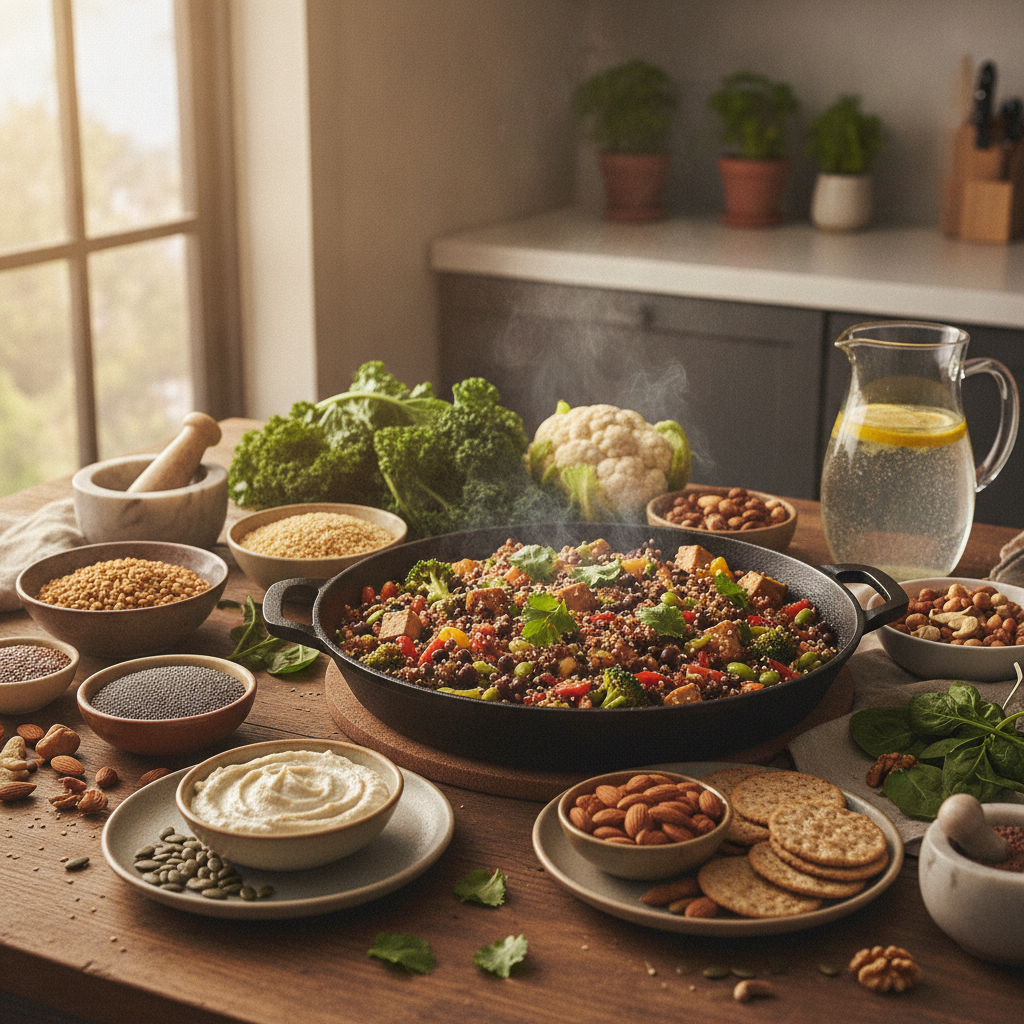
Plant Proteins and Essential Amino Acids
Plant proteins generally contain lower essential amino acid concentrations than animal sources, and many lack one or more essential amino acids. However, strategic combining provides complete profiles.
Complete Plant Proteins
These sources contain all nine essential amino acids in reasonable quantities:
- Soy and soy products (tofu, tempeh, edamame)
- Quinoa
- Hemp seeds
- Pumpkin seeds
- Spirulina
Complementary Protein Combinations
Combine grains with legumes for complete profiles. Rice with beans, whole wheat bread with peanut butter, or hummus with whole grain pita create complete amino acid profiles when consumed in the same meal.
Timeline for Amino Acid Uptake
Contrary to older beliefs, you don't need to combine complementary proteins in the same meal. Consuming varied plant sources throughout the day provides complete amino acid profiles.
Bioavailability Considerations
Some plant proteins contain compounds that reduce digestive efficiency. Cooking, sprouting, and fermenting increase bioavailability. Tofu generally shows better digestibility than whole beans.
Athletic Performance on Plant Proteins
Plant-based athletes can achieve performance equivalent to omnivorous athletes with adequate total protein intake and strategic supplementation. Leucine content—important for muscle stimulation—may require slightly higher protein amounts from some plant sources.
Practical Plant-Based Protein Strategy
Eat varied protein sources daily. Include complete proteins when possible. Consider plant-based protein powder supplements for convenience. Monitor performance, energy, and recovery quality; adjust intake if declining.
Sample Day of Plant Protein
Breakfast: Greek-style oatmeal with hemp seeds. Lunch: Lentil and vegetable curry. Snack: Almonds and orange. Dinner: Tofu stir-fry with brown rice. This provides approximately 100g varied plant protein across complete and complementary sources.