Root Canal Treatment: What to Expect and Aftercare
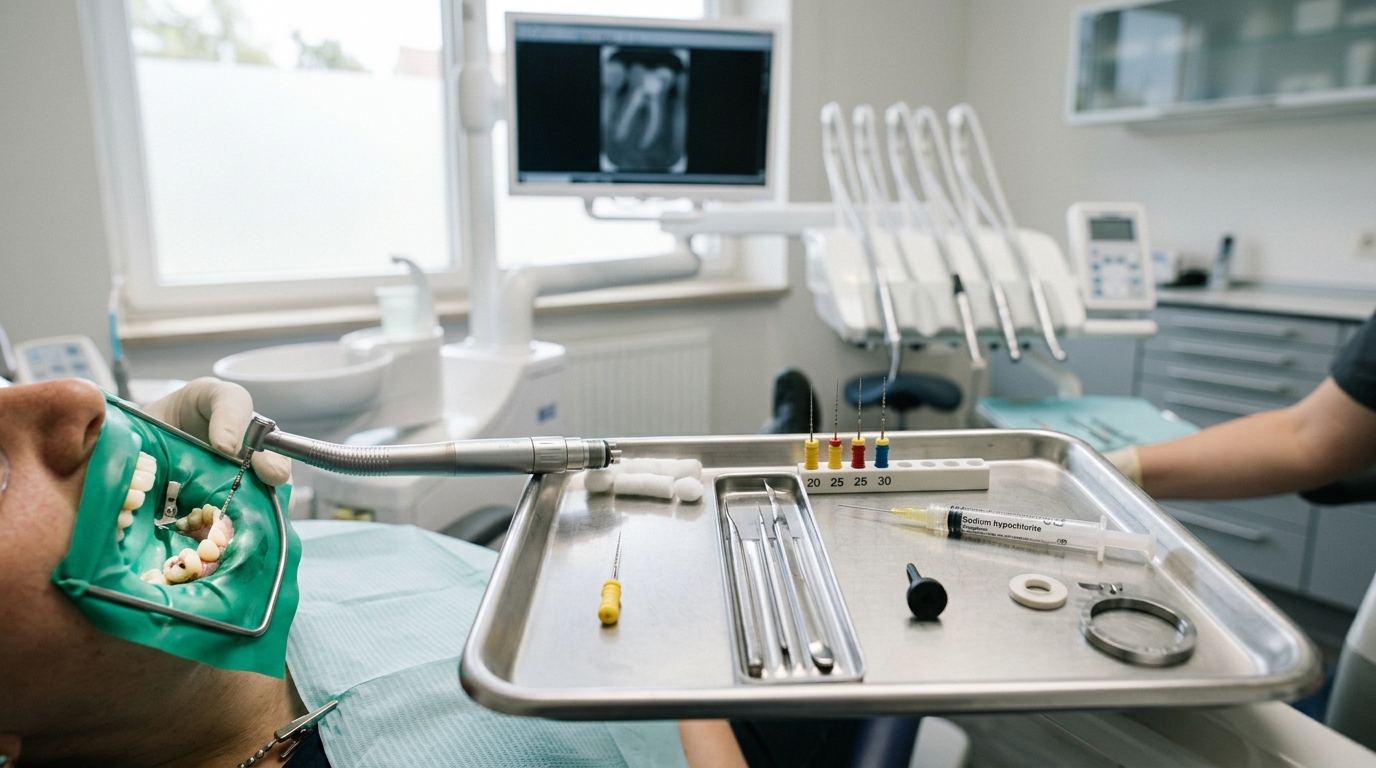
Root canal therapy carries unnecessary fear. Understanding the procedure reduces anxiety and helps patients approach treatment appropriately.
Why Root Canals Are Necessary
The pulp—tissue inside the tooth containing nerves and blood vessels—can become infected or inflamed from deep decay, trauma, or repeated dental procedures. When the pulp dies, pain intensifies, and infection can spread to surrounding bone.
Root canal treatment removes infected pulp tissue, cleans and shapes the root canal system, then fills it with biocompatible material to prevent future infection.
The Procedure
Local anesthesia completely eliminates sensation during treatment. You may feel pressure and hear sounds, but no pain. The procedure takes 30-90 minutes depending on complexity.
Your dentist accesses the pulp chamber, removes infected tissue, shapes the canal system, and fills it with gutta-percha (a rubber-like material) and sealer. A temporary filling closes the access hole.
Pain During Treatment
Contrary to popular belief, root canal treatment is generally no more uncomfortable than filling a cavity. The procedure relieves the intense pain of a severely inflamed pulp.
Aftercare
Your tooth will be sensitive to biting for a few days. Avoid chewing on the tooth until it receives a permanent restoration—usually a crown. Over-the-counter pain relievers manage post-treatment soreness.
Some sensitivity to temperature for a few weeks is normal. This resolves as the tooth stabilizes. Avoid extremely hot or cold foods initially.
Restoration
A tooth with root canal treatment becomes brittle over time without a crown. The crown protects the tooth from fracture and provides a seal against future infection. Plan to place a crown within a few months of treatment.
Success Rate
Root canal treatment has a 90-95% success rate. In rare cases, infection persists or recurs. If so, additional treatment or extraction may become necessary. However, most root-treated teeth remain functional for decades.