Sleep Environment Optimization: Temperature, Light, and Sound Control
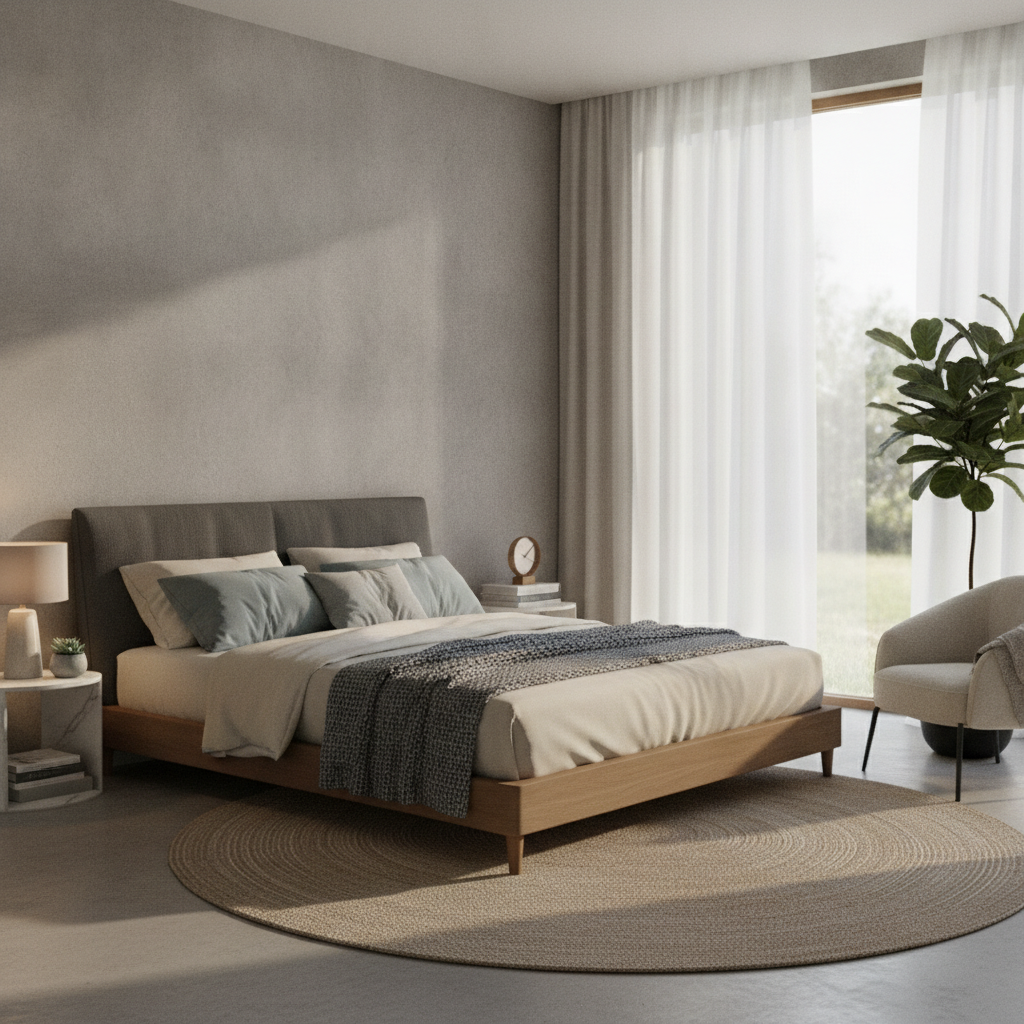
Sleep quality isn't solely about effort. Your physical environment influences sleep onset, depth, and restorative quality. Small adjustments produce massive improvements.
Temperature: The Critical Variable
Core body temperature naturally drops 2-3 degrees during sleep. Your environment should facilitate this. Optimal sleep temperature is 60-67F (15-19C), with 65F being ideal for most people.
Too warm: You spend energy fighting rising temperature, preventing deep sleep and producing sleep fragmentation. Too cold: You shiver, disrupting sleep cycles.
Adjustment strategy: Start at 67F for one week. Decrease by one degree weekly until you find your optimal range. High-quality bedding (breathable sheets, appropriate blanket weight) is as important as room temperature.
Light Control: The Circadian Reset
Any light exposure, even dim light, suppresses melatonin production. Complete darkness is optimal. Install blackout curtains if possible. If not, use a sleep mask. Even residual light from electronics impairs sleep quality.
Evening light strategy: Minimize blue light exposure after 8pm. Blue light wavelengths suppress melatonin more than other colors. Wear blue light blocking glasses, enable phone dark mode, or use red-tinted bulbs in evening spaces.
Morning light strategy: Expose yourself to bright light within 30 minutes of waking. This anchors your circadian rhythm and supports melatonin production the following evening.
Sound Management
Even quiet sounds disrupt sleep architecture. A dog barking, a partner's movement, or a distant siren creates micro-arousals that fragment sleep.
Options:
- White noise machines (produce consistent, masking sound)
- Earplugs (ensure comfort and proper fit)
- Soundproofing (addressing sound sources if possible)
- Strategic pillows (white noise apps at moderate volume)
Many people find consistent background noise more conducive to sleep than silence.
Mattress and Bedding
You spend one-third of your life in bed. Investing in quality matters. A supportive mattress maintains spinal alignment during sleep. High-thread-count, breathable sheets regulate temperature effectively.
Personal preference varies (memory foam, innerspring, latex), but consistent, comfortable sleep surfaces are non-negotiable.
The Implementation Protocol
Week 1: Optimize temperature. Week 2: Install blackout measures. Week 3: Address sound management. Week 4: Evaluate combined improvements.
Expect 1-2 weeks for adaptation. Your body requires time to adjust to new environmental conditions before benefits fully manifest.
Measurement
Track sleep onset time (how quickly you fall asleep), total sleep duration, and morning alertness. Most people report improvements within 3-5 days of optimized environment.